Function: BALANCE processes involve the body’s neurological system. Pathways that relay messages from the central nervous system, consist of the brain, spinal cord and nerves. These structures go to the muscles and other organs and relay information back to the brain from various parts of the body, such as the eyes, inner ear, and nervous system.
Execution of the nervous system allows for control of posture, motor, and sensory functions that impact balance and health.
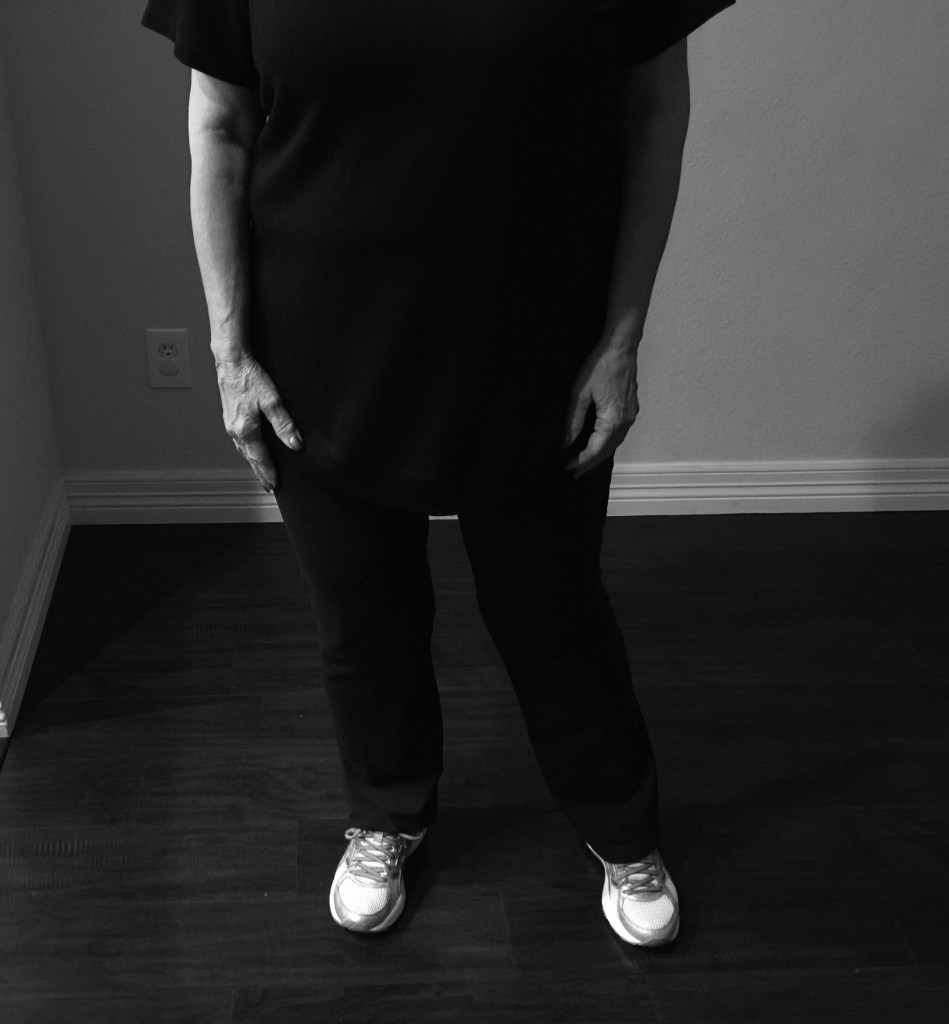


Weight shifts –medial/lateral: with feet positioned shoulder-width apart, shift weight
laterally onto one leg then slowly shift to the other leg. Maintain feet in contact with
the ground. Repeat back and forth (rocking side to side) for 30 seconds.
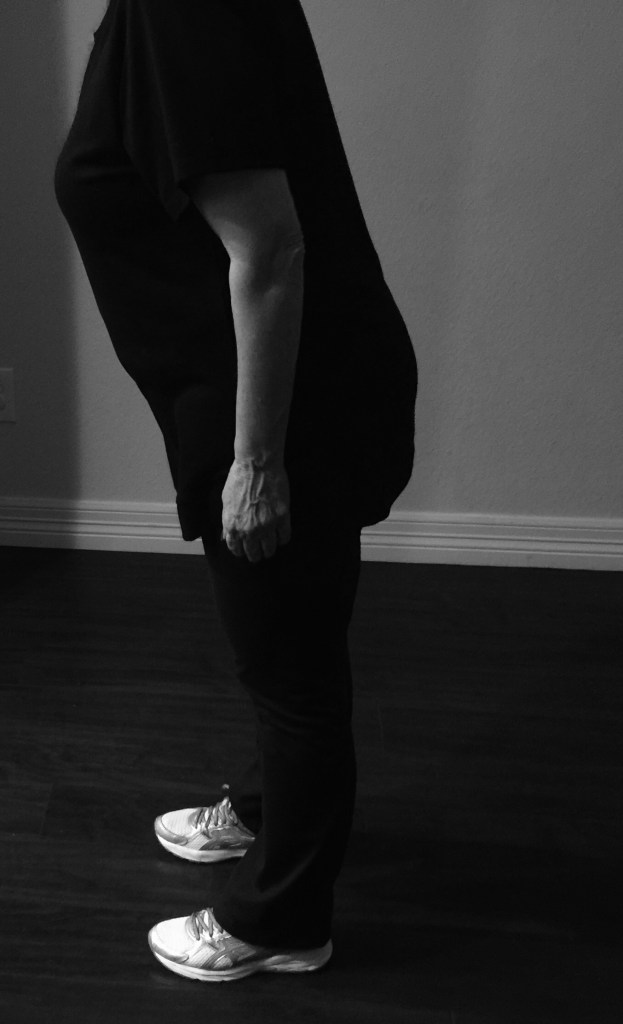
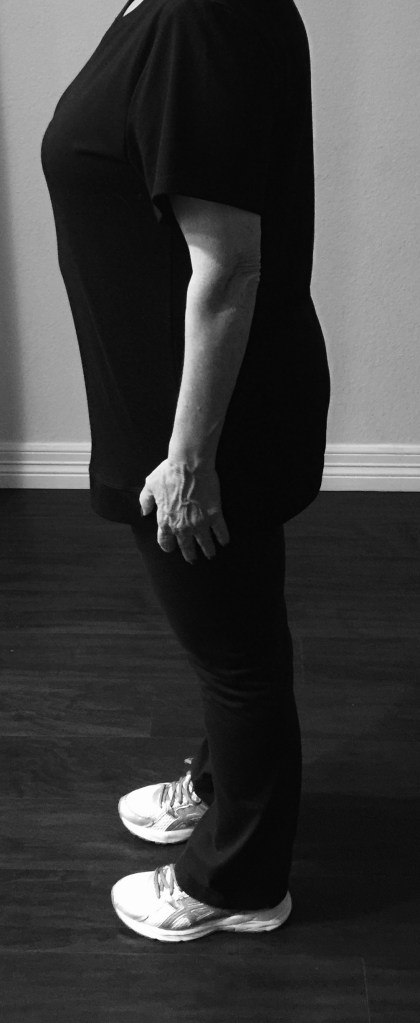
Weight shifts –anterior/posterior (ankle strategy): with feet positioned shoulder-width
apart, shift weight anteriorly toward toes and then slowly backwards towards heels.
Maintain feet in contact with the ground. Repeat for 30 seconds.
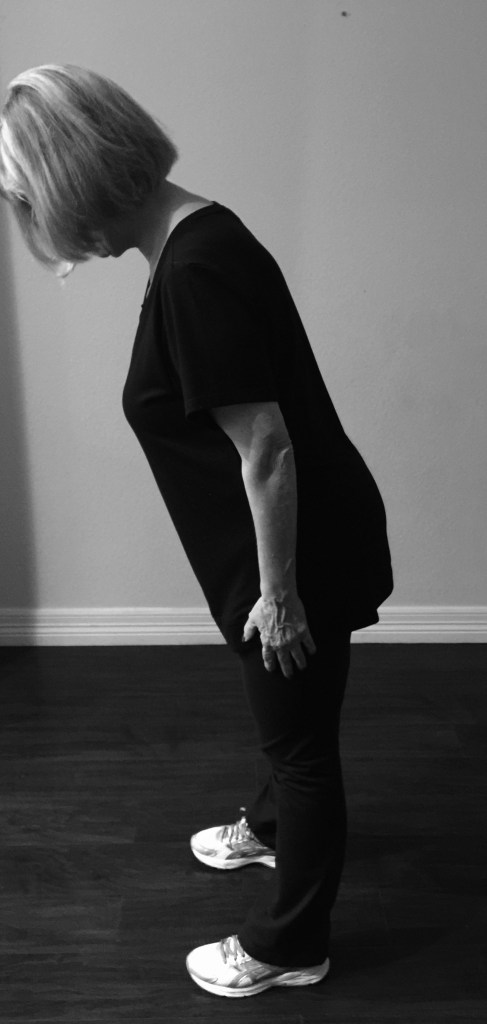
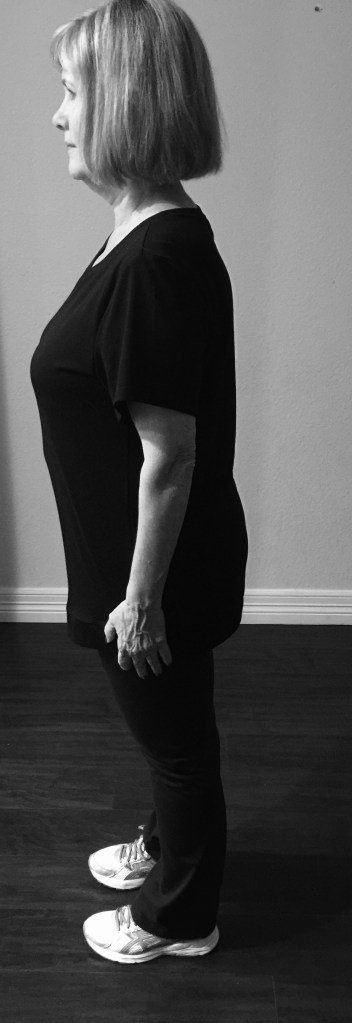
Hip strategy: with feet positioned shoulder-width apart, bend at the hips by bringing
the trunk forward. Return to vertical position (head and spine). Repeat for 30 seconds
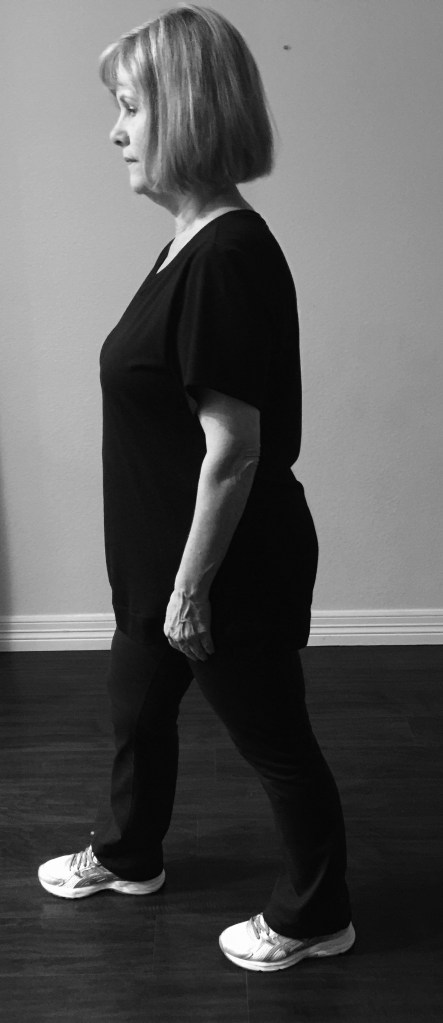

Step strategy: with feet shoulder-width
apart, take a step forward with one leg
and then step back with that leg to
starting position. Repeat for 30 seconds.
This exercise can be done alternating
between both legs or unilaterally (one
leg at a time).
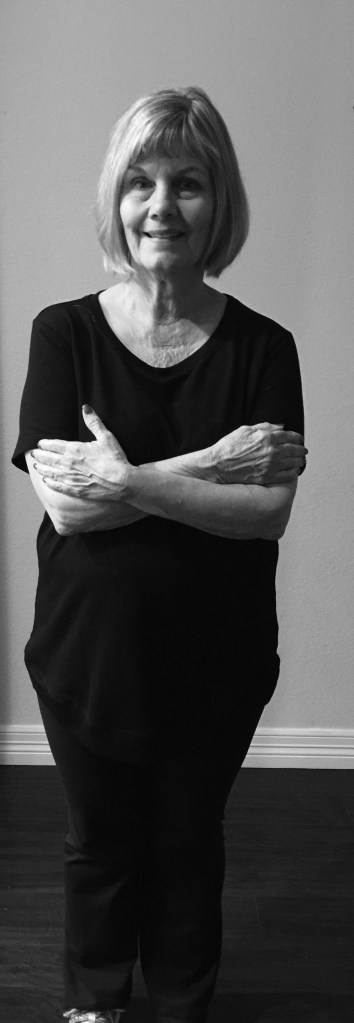
Narrowed base of support: place feet together, cross arms over chest with
eyes open. Hold for 30 seconds.
Narrowed base of support: place feet together, cross arms over chest with
eyes closed. Hold for 30 seconds.
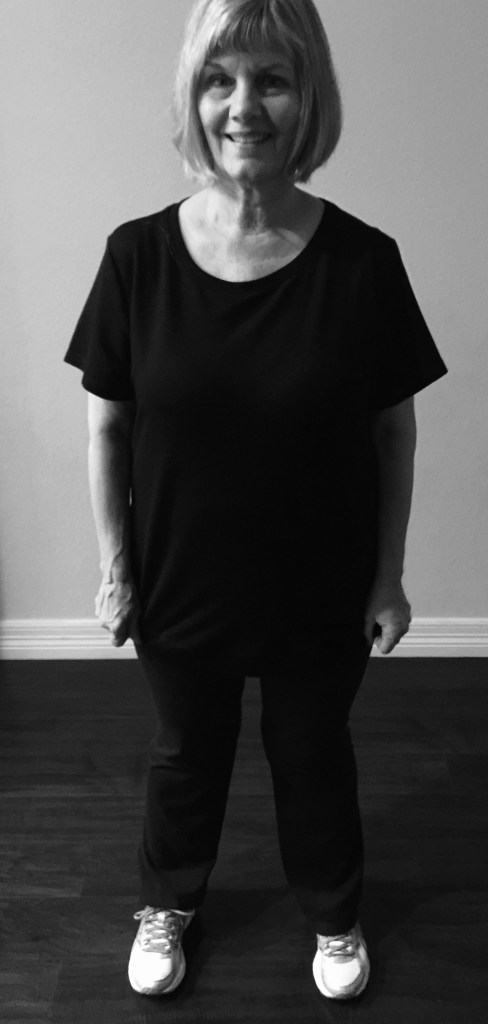
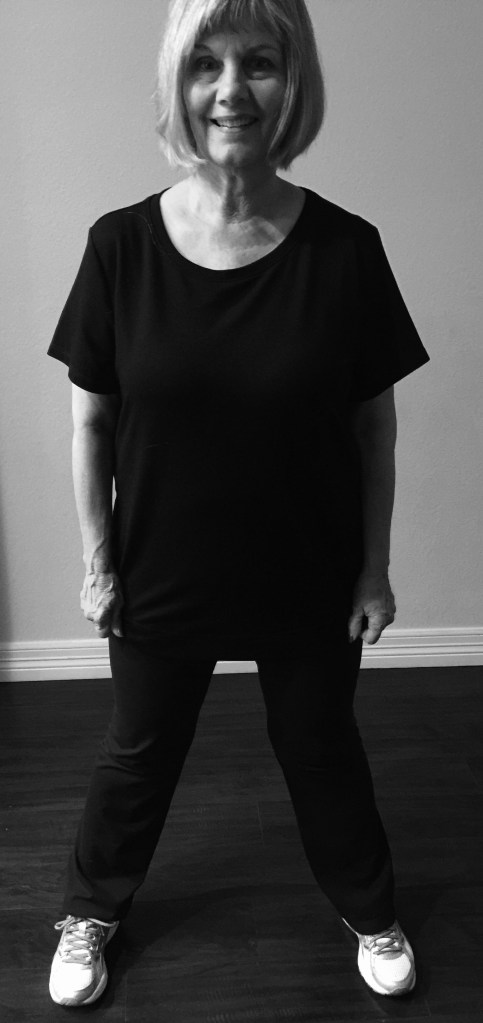
Side steps: with feet shoulder-width apart, take lateral steps in an open space. Once at the
end of the surface (counter) step laterally in the opposite direction. Repeat for 30 seconds.
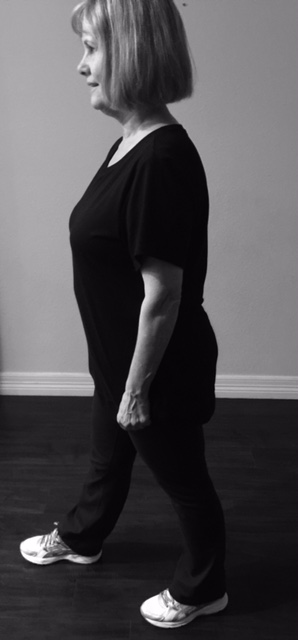

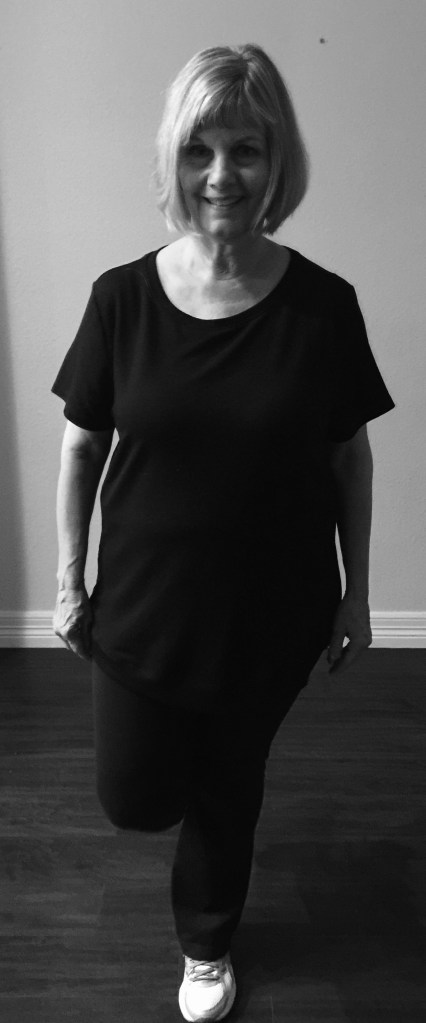
Reverse steps: starting with feet shoulderwidth apart, take steps backwards in an open space. Once at the end of the support surface (countertop), turn 180 degrees and repeat this activity (30 seconds). **Initial performance of this exercise may require it be done with shorter steps to enhance safety and before proceeding to larger step patterns.
Cross-steps: with feet positioned shoulderwidth apart, draw one leg in front of and across the opposite leg. Step laterally (outward) with the other leg and then repeat crossing in front with the opposite side. Perform exercise for 30 seconds.
Single leg stance: being near counter/support surface and place hands on it. Bring one foot off the ground by bending at the knee and drawing it toward your bottom. Once steady, try with one hand on surface; then no hands. Hold 30 seconds. Bring leg back to the ground. Repeat on other leg.
 Exercise Simplified.