Function: The HIP is the intersection where the thigh bone (femur) joins the pelvic bone (ilium, pubis, and ischium). Specifically, the socket formed by the three bones of the pelvis, known as the acetabulum, is where the top (or head) of the femur unites, and both together form a “ball and socket” joint. The socket, where range of motion occurs, enables the human body to complete tasks such as running, jumping, and squatting. There is also great stability around the hip joint in relation to strong muscles and tendons that attach to and run alongside the hip in conjunction with thick ligaments that support bone-to-bone adherence. As with all other joints, there are joint capsules, major nerves (including the sciatic nerve), bursa sacs, and synovial membranes which support and supply both hips contributing to joint protection, fluidity, and stability of movement. These structures help maintain health of the hip as well as the rest of the body.
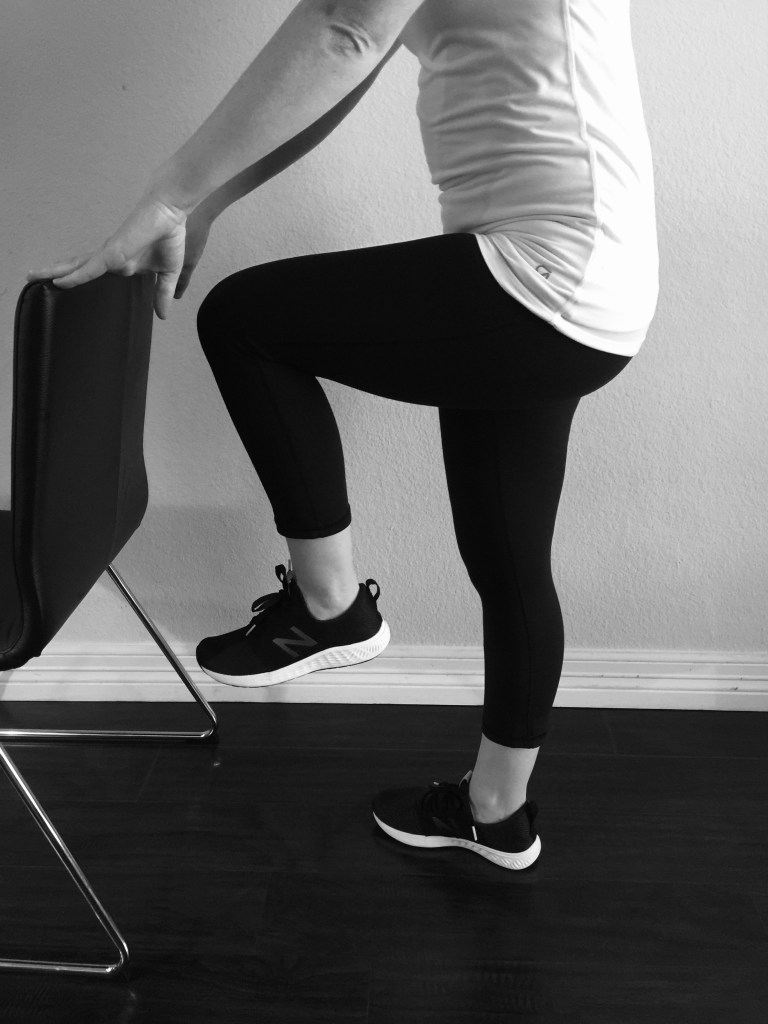
hands on support surface, lift bent knee
up toward waist and slowly lower.
Repeat 15 times.
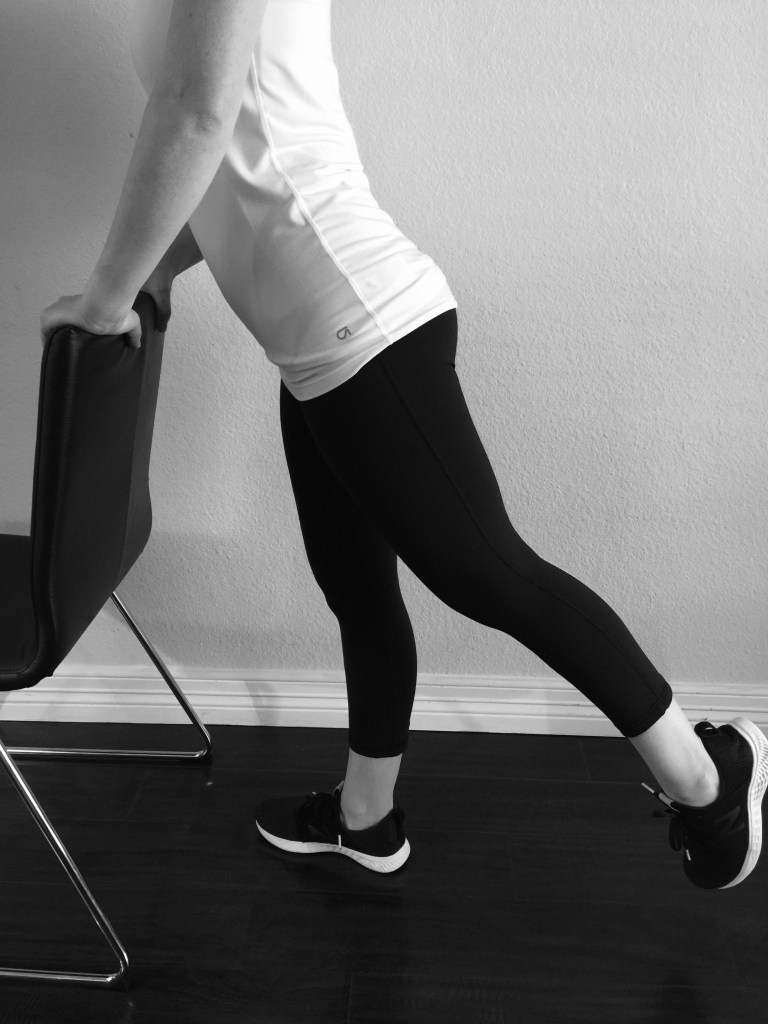
maintaining straight hip and knee.
Slowly return to start position. Repeat
15 times.
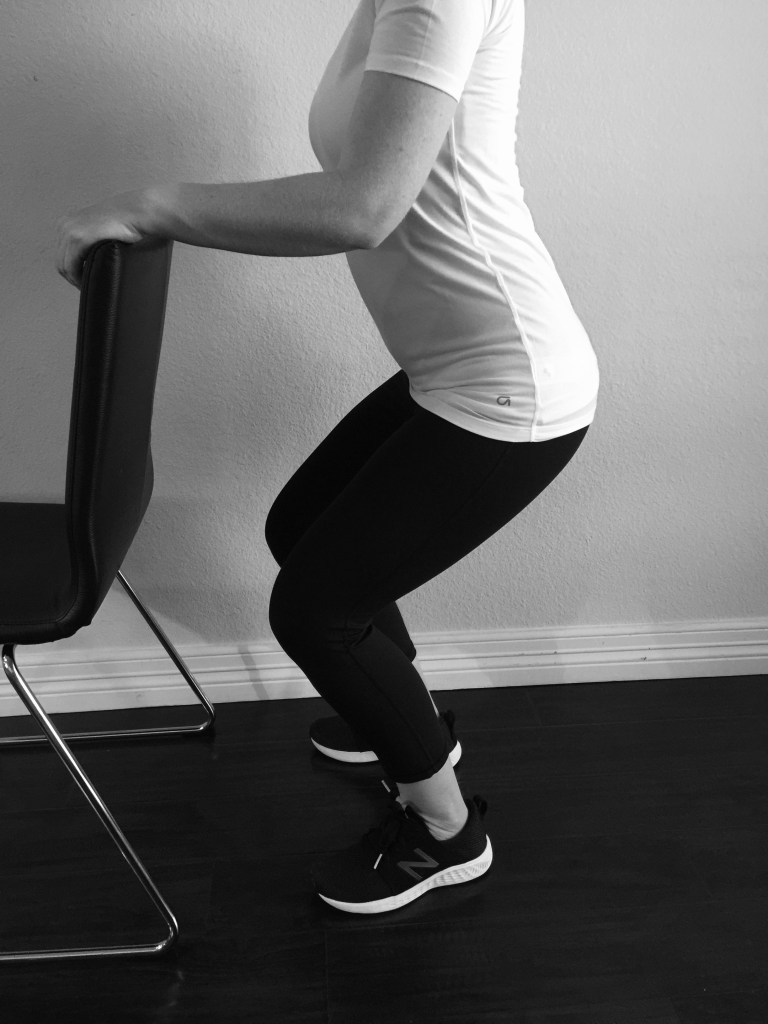
stable support surface, bend at the
hips and knees and slowly lower (2-6
inches). Return to erect position. Repeat
15 times.
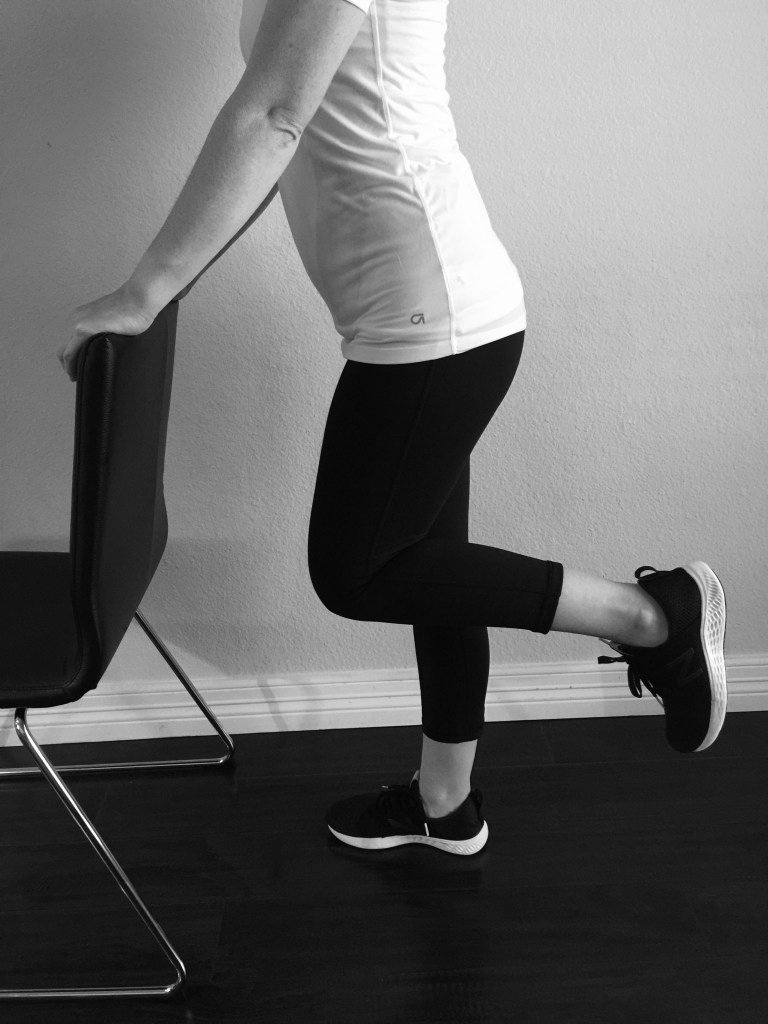
upper extremities supported, bend one
knee by bringing your foot toward your
bottom. Slowly lower. Repeat 15 times.
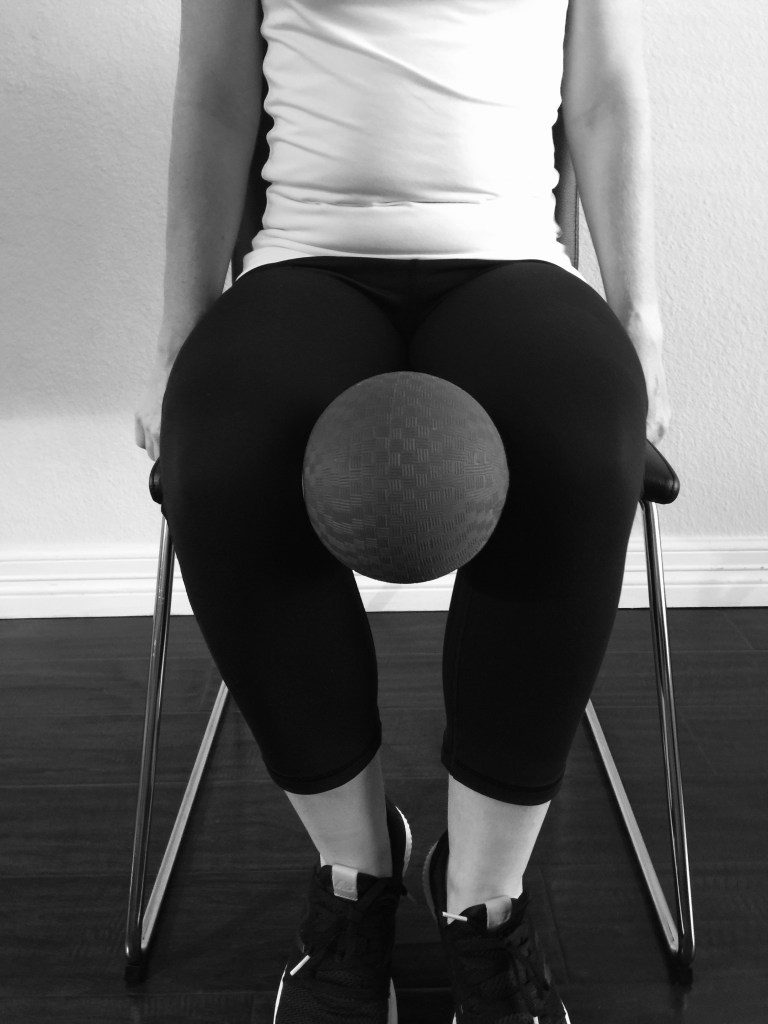
knees and slowly squeeze object,
drawing the knees inward. Hold 5
seconds. Slowly release. Repeat 15 times.

position (foot on floor), draw foot
outward and away from the body,
lifting the foot up off of the ground.
Slowly return. Repeat 15 times.
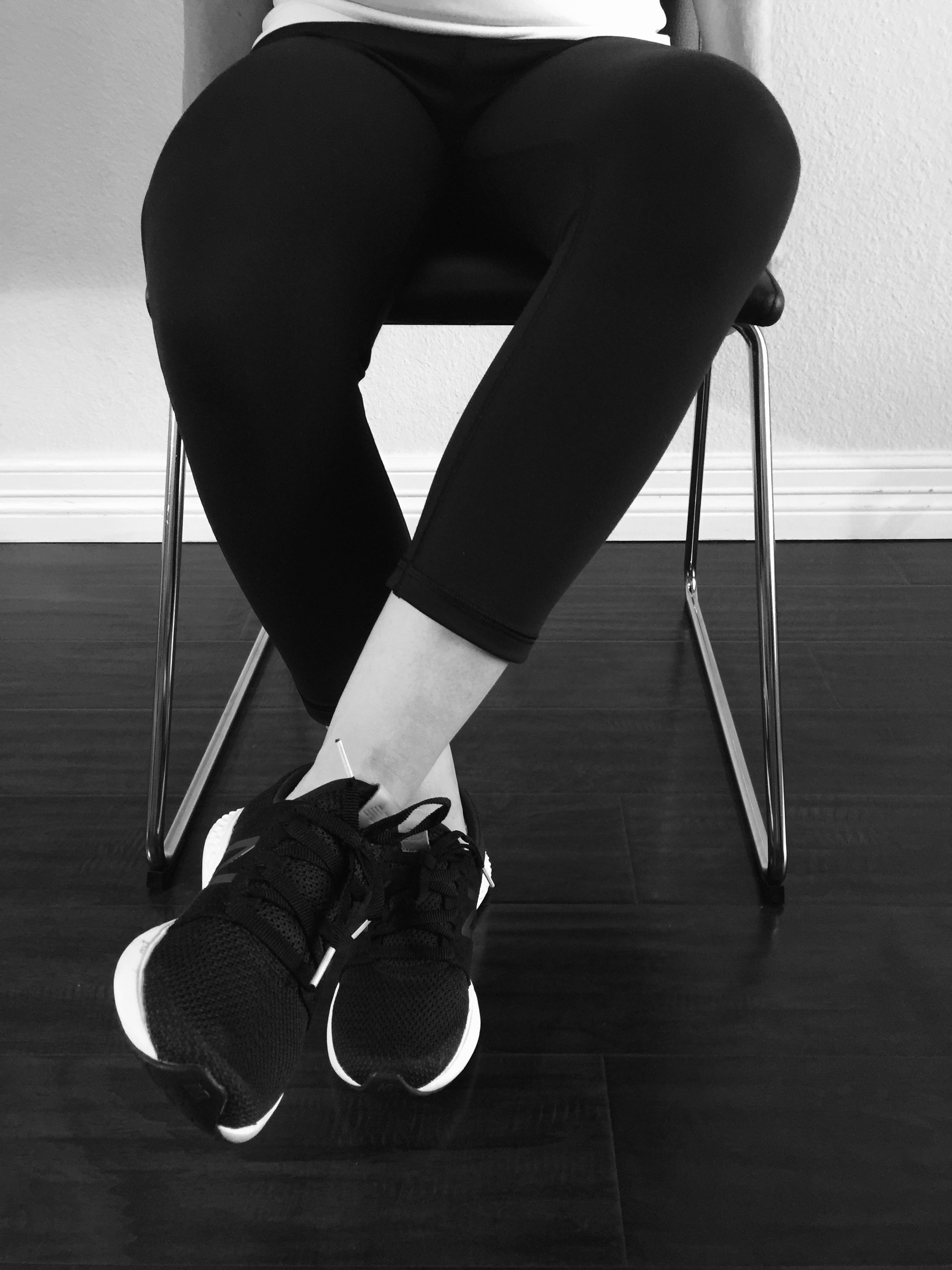
position, draw foot inward toward (and
in front of) opposite leg. Slowly return
to start position. Repeat 15 times.

To see stretches and more click here to get a copy of Matt’s book.
 Exercise Simplified.